Rainwater garden
A rainwater garden, as its name suggests, makes use of rainwater...

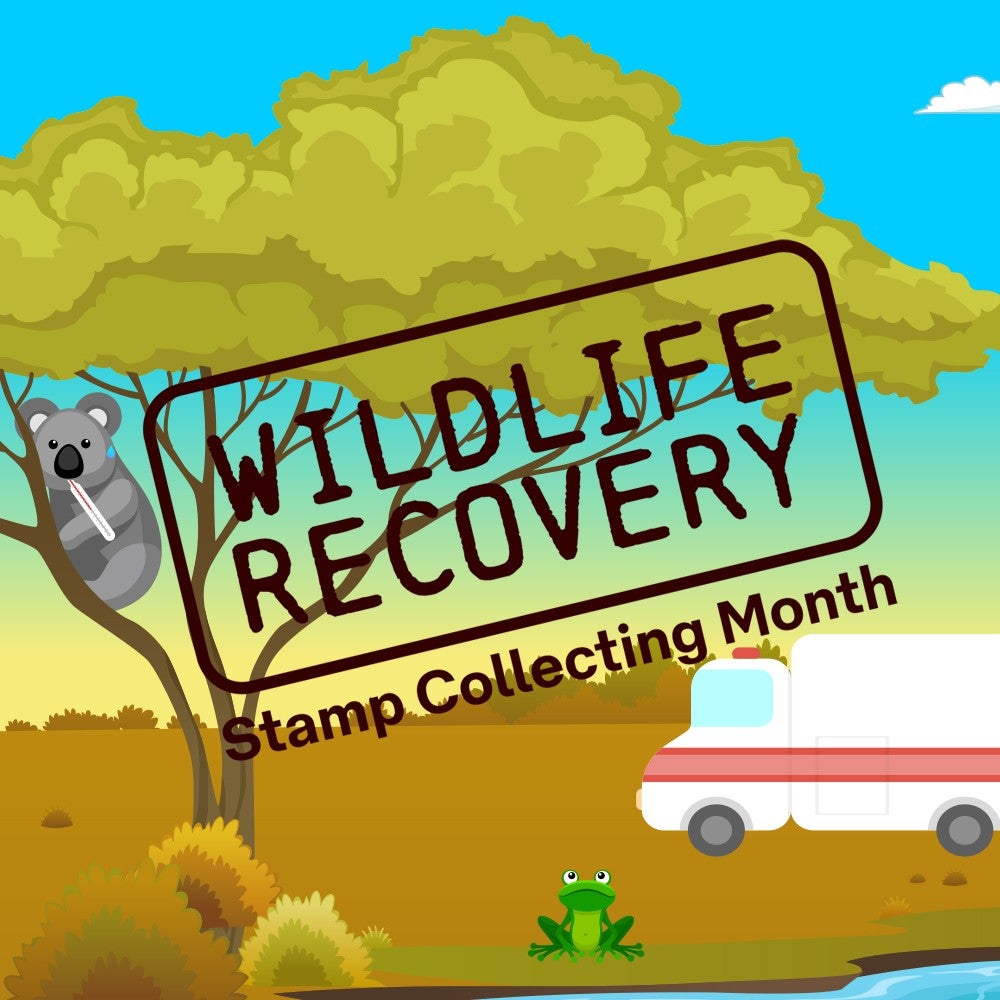
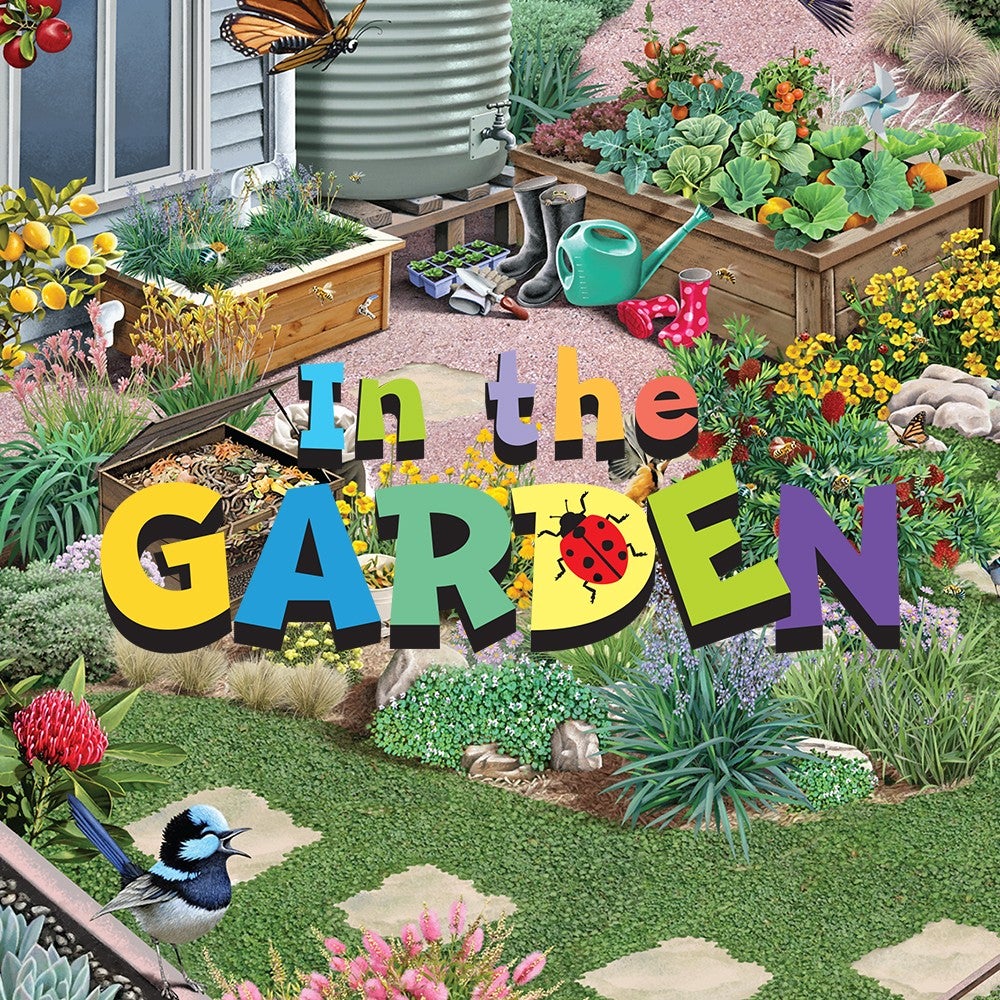
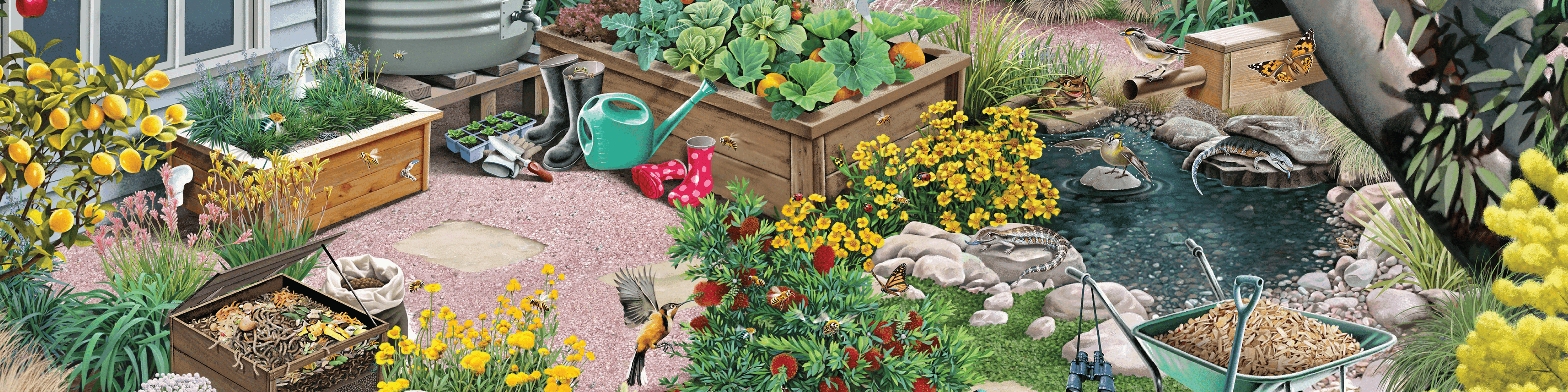
Stamp Collecting Month (SCM) is all about engaging middle to upper primary school students (and their teachers) with interesting themes, presented through stamps. This website explores a range of topics related to sustainable gardening and our In the Garden stamp issue. It also contains videos, fun activities, teaching resources and more.
A rainwater garden, as its name suggests, makes use of rainwater...

Our veggie garden is housed in a raised, contained garden bed...

One way of attracting and protecting the small birds in our garden is by...

While worms are vital to soil health, the wonderful work of worms can also...
Pollination is a vital process. While some crops such as cereals are...
Engage your students in SCM through our curriculum-linked lesson plans. This year’s SCM stamp issue, In the Garden, focuses on themes appealing to students and providing learning opportunities that are linked to both the curriculum and real life. SCM 2019 encourages learning about sustainable living, kitchen gardening, biodiversity, plant and animal behaviours, and minimising our environmental impact.

Students will investigate the native birds and other wildlife that visit the school grounds and design and build a nest box for a chosen species.

Students will explore the relationship between worms and plants and build a worm farm for the school while raising awareness of the benefits of composting with worms.

Students will explore how to be water-wise before designing and building a rainwater garden for their school.

Students will explore the symbiotic relationship between native pollinators and growing edibles before building and maintaining a veggie patch in their school grounds.
If you’re a parent, caregiver or teacher, here are some free resources to share with children. Want some more advice on stamp collecting? Read our tips on starting a collection.

Check out our three lesson plans on how students can learn about the history and creation of stamps.

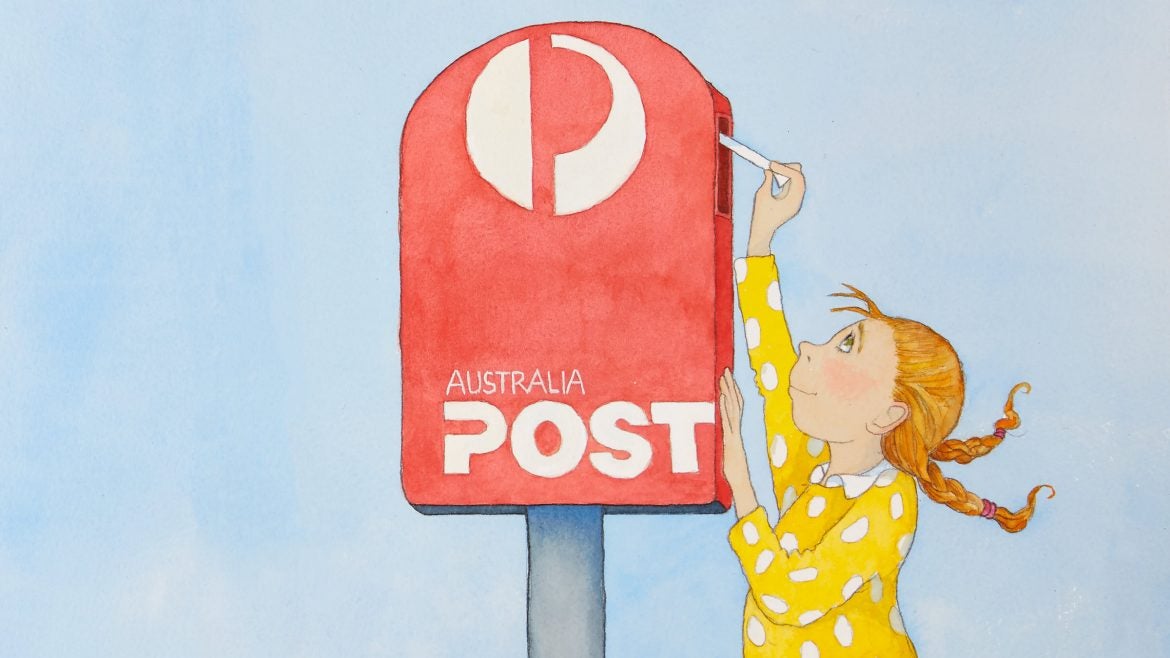
Pen pal letter writing is a fun, creative and rewarding way for your students to practice literacy and communication. Use our lesson plans, sample templates and/or join our Pen Pal Club to get started.
Find out why stamp collecting is such a popular hobby, and watch how stamps get made.
Australians have been collecting stamps for over 150 years, a couple of decades after stamps were first issued in 1840.
Kids would collect stamps as a hobby, asking their family and friends to save stamps from letters and envelopes they received.
News about valuable stamps, like the famous American stamp called the US Inverted Jenny from 1918, which sold in 2016 for over one and a half million dollars! and the world’s most valuable stamp, the 1856 one cent British Guiana Stamp, worth over 12 million dollars! has led to a huge interest in stamp collecting.
The value of stamps is determined by their age, their scarcity and their condition. But collecting is not just about a stamp’s value - it’s fun to collect colourful, interesting or unusual stamps, sort them into an album, and trade them with your friends!
Each year Australia Post dedicates a whole month to stamp collecting and every year a different theme is chosen for a series of exciting new stamps and products like the endangered species series which featured some Australia native animals including the Orange-bellied parrot and the Southern Corroboree Frog, as well as some exotic species like the Asian Elephant, and the Western Lowland Gorilla.
We’ve also explored the depths of our solar system where we took a thrilling ride through space and visiting all 8 planets; from the inhospitable heat of Mercury and Venus through to the eerie, cold gas giants like Jupiter and Saturn.
And we travelled way back in time with some beautifully illustrated drawings of some weird and wonderful and sometimes scary! dinosaurs.
All you need to start your own collection is a stamp album and some stamps! You can buy stamps from your local Australia Post shop, swap them with your friends, or ask your family to save stamps for you.
Stamp collecting is a lot of fun. And who knows, you may even find a rare stamp worth a lot of money!
***
Male inspecting printing plates
[Slate]: Plate production using a plating system from Du Pont
Male placing paper rolls onto printing machine
Paper rolls running through printing machine
Printing machine running
[Slate]: Four Colour printing on a flexographic printing press
Printing machine running, printing stamps
[Slate]: Stamps are then coated with phosphor and die cut
Printing machine running, printing stamps
[Slate]: The printing machine contains UV lamps to cure the ink through each stage
Printed stamps being passed through the machine and collected onto large rolls
Rolls of stamps going through Quality Control (QC)
[Slate]: Stamps go through inspection using cameras to detect abnormalities
Vision of QC process and inspection
[Slate]: During inspection imperfect stamps are replaced
Stamps passing through QC machine
Male inspecting printed stamp sheets by hand
Australia Post van driving out of production facility
[Slate]: Stamps are then transported to the Australia Post Production Facility
Printed stamps going through cutting machine to produce smaller rolls
Smaller stamp rolls produced, going through conveyor belt
[Slate]: Stamps are cut into smaller rolls of 200 stamps and placed in packaging
Smaller stamp rolls going through conveyor belt to packing
Stamp rolls packaged into boxes
[Slate]: Rolls are picked and boxed and made ready for delivery
Boxes being processed through convey belt
Australia Post van driving out of production facility
Australia Post Logo