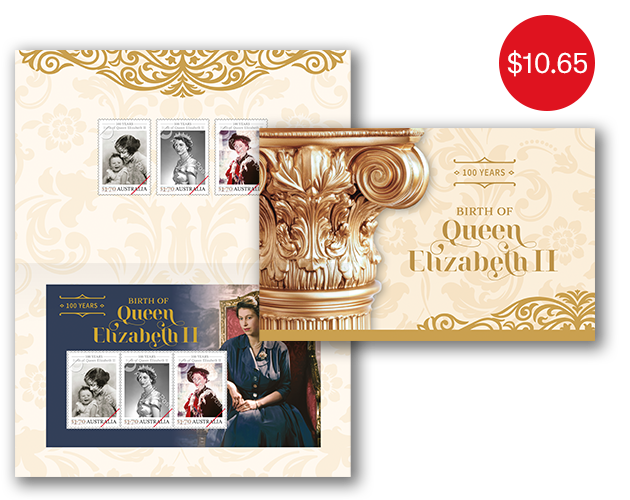
OverviewHer Majesty Queen Elizabeth II was born Elizabeth Alexandra Mary on 21 April 1926 at her maternal grandparents’ home in London’s Mayfair. Until the abdication of her uncle, King Edward VIII, it was not expected that the young princess would one day become Queen; she had been third in the line of succession to the throne until her grandfather George V died in January 1936 and Edward succeeded him. King Edward’s abdication less than a year after he was crowned led to Elizabeth’s father, the Duke of York, being crowned King George VI, a position he served until his death on 6 February 1952. Edward’s abdication irrevocably changed the very nature of Elizabeth’s childhood and family life, which could no longer be lived largely out of the public eye. With her father’s accession to the throne, Elizabeth became the heir presumptive. HRH Princess Elizabeth was just 25 years old when she acceded to the throne on the death of King George VI on 6 February 1952, assuming all the responsibilities and duties that accompany the title. Her spectacular coronation took place on 2 June 1953 at Westminster Abbey, where every British coronation has taken place since 1066. Elizabeth was the first British monarch to visit Australia, touring with Prince Philip in 1954. During her reign, she made more than 200 visits to Commonwealth countries, including a total of 16 visits to Australia. The last of these was made in 2011. Like Queen Victoria, Elizabeth enjoyed a long reign. For seven decades she was Queen of the United Kingdom and Head of the Commonwealth, longer than any British monarch and any female head of state in recorded history. Aged 96, she died on 8 September 2022, her state funeral taking place at Westminster Abbey on 19 September. HM Queen Elizabeth is being remembered in the centenary year of her birth through various public commemorations in England. Key among these commemorative projects are a significant exhibition of her wardrobe and gowns, to be held at The King’s Gallery, Buckingham Palace; the opening of a two-acre memorial garden (designed by HTA Design with Noel Kingsbury and Tate + Co.) in Regent’s Park, London, which includes floral species important to the late Queen; and the unveiling of a national memorial (commissioned from Foster + Partners through a design competition) in St James’s Park, London, close to Buckingham Palace. |
Issue date | 7 April 2026 |
Issue withdrawal date | 1 November 2026 |
Denomination | 3 x $1.70 |
Stamp & Product Design | Jo Muré, Australia Post Design Studio |
Paper | Tullis Russell 104gsm Red Phosphor/Blue PVA Stamp |
Printer | Southern Impact |
Printing process | Offset Lithography |
Stamp size (mm) | 26 x 37.5 |
Minisheet size (mm) | 135 x 80 |
Perforations (mm) | 13.86 x 14.6 |
Sheet layout | Module of 50 (2 x 25) |
FDI Postmark | Elizabeth, SA 5112 |
FDI Withdrawal date | 6 October 2026 |
Stamps in this issue
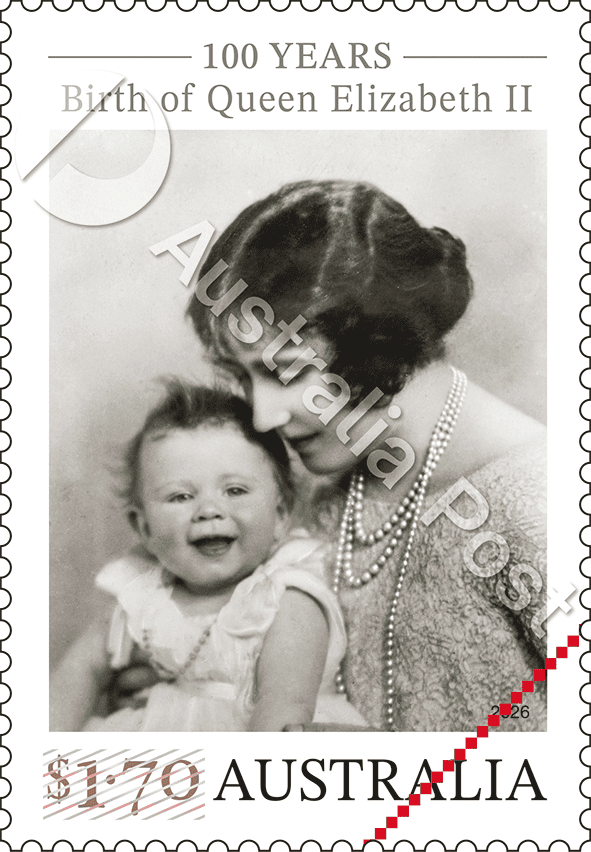
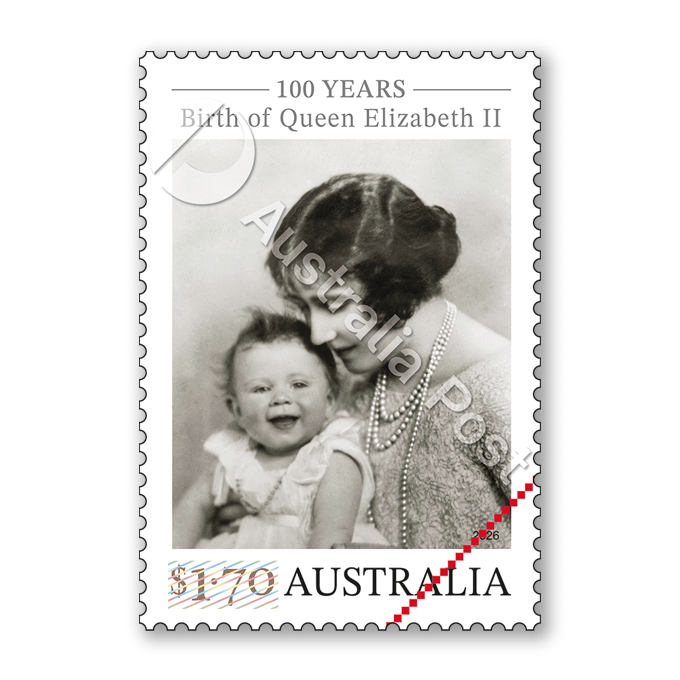
The Infant Princess Elizabeth, 1926
The stamp shows the infant Elizabeth with her mother, the Duchess of York. It was taken on 2 December 1926. Just eight months earlier Elizabeth had been born at the home of her maternal grandparents, the Earl and Countess of Strathmore and Kinghorne, and soon after, on 29 May 1926, baptised at a private chapel at Buckingham Palace.
The softly focused photograph by Paul Popper captures a close intimacy between mother and child. The carefree smile of infant Elizabeth signals a blissful innocence to the great responsibility of public office that she must come to carry through her life.
Paul Popper (?– 1969) was a Jewish Czech émigré to London and something of an Anglophile. A talented magazine writer, editor and photographer, he established, through his extensive professional network, a literary and photographic agency, Paul Popper Photo in 1934. Popper also acquired other photographic collections, most notably Herbert Ponting’s 1935 Antarctic expedition images, which led to a vast photographic archive. It is now licensed to Getty Images, as Popperfoto.
Photo: Paul Popper, Popperfoto / Getty Images
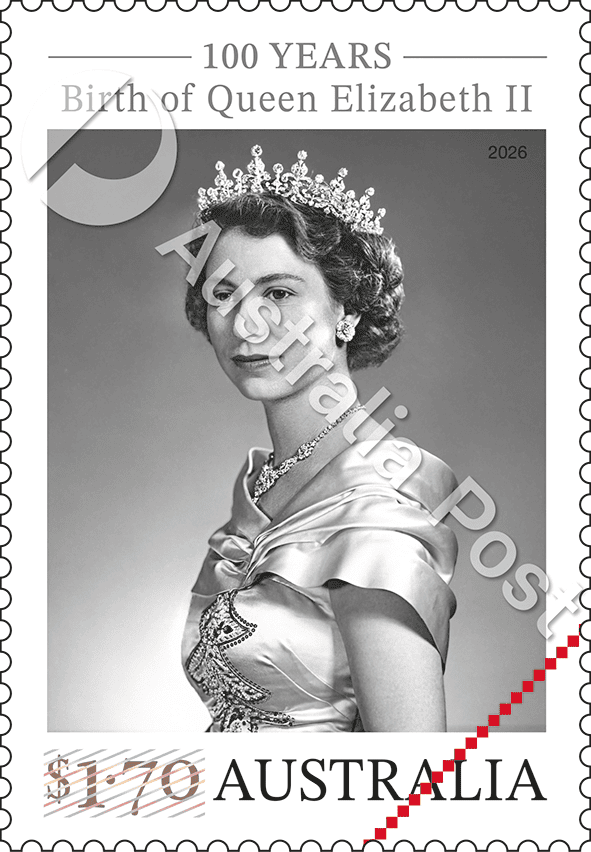
Princess Elizabeth, 1951
This portrait of Princess Elizabeth was made at Clarence House, London, in July 1951. The princess is wearing a priceless Cartier necklace, gifted to her by the Nizam of Hyderabad (a king in India) to celebrate her marriage to Prince Philip, in 1947. The elegant diamond tiara was also a wedding gift. It had belonged to her grandmother, Queen Mary, who had received it as a gift on her own wedding day, in 1893. It is known as the ‘Girls of Great Britain and Ireland Tiara’, a name associated with the committee of young women that raised funds for its creation via subscription. Her Majesty was clearly fond of this tiara, as she wore it often.
Armenian Canadian photographer Yousuf Karsh (1908–2002) created this portrait or Princess Elizabeth. This is one of two portrait sessions in which she sat for Karsh before she was crowned Queen, the first in 1943; her photographed her on three occasions after she became Queen. Karsh frequently photographed his subjects in black and white, and his deft use of light and shadow made for dramatic images.
Photo: Yousuf Karsh, Camera Press
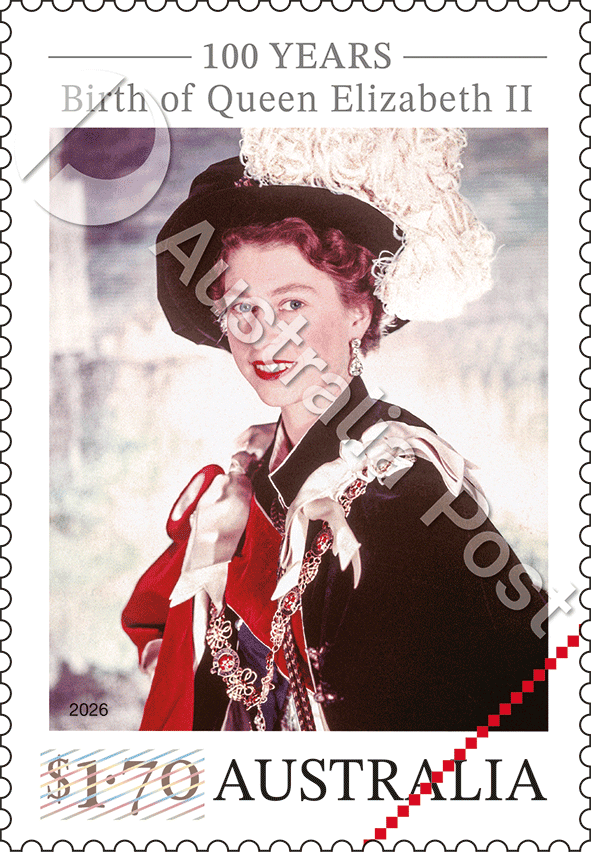
Queen Elizabeth II, 1955
The portrait in the stamp shows Her Majesty wearing the Order of the Garter robes, in deep-blue velvet and with the elaborately plumed hat. It was taken at Buckingham Palace in 1955, two years after she acceded to the throne.
Founded in 1348, the Order of the Garter is the oldest and highest order of chivalry bestowed in Britain in both military and civil realms. The monarch Sovereign of the Garter) and members of the royal family attend the Garter ceremony, held each June, in which any new knights take the oath and are invested.
The dramatic C-Type photograph, in which the Queen is posed against a painted scenic backdrop, was taken by Cecil Beaton (1904–1980). Beaton was one of Britain’s most celebrated photographers of the 20th century and renowned for his many photographs of the royal family. Beaton also took the photograph of Princess Elizabeth that is featured on the minisheet.
Photo: Cecil Beaton, Victoria & Albert Museum Collection
This content was produced at the time of the stamp issue release date and will not be updated.
Shop our Stamp Collectables
-
-
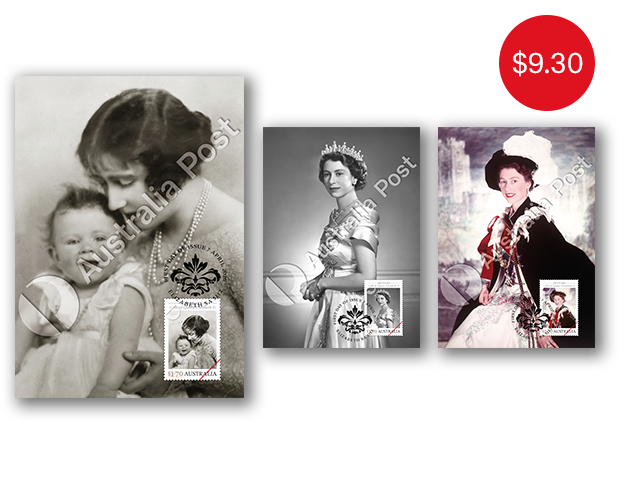
Maxicards
-
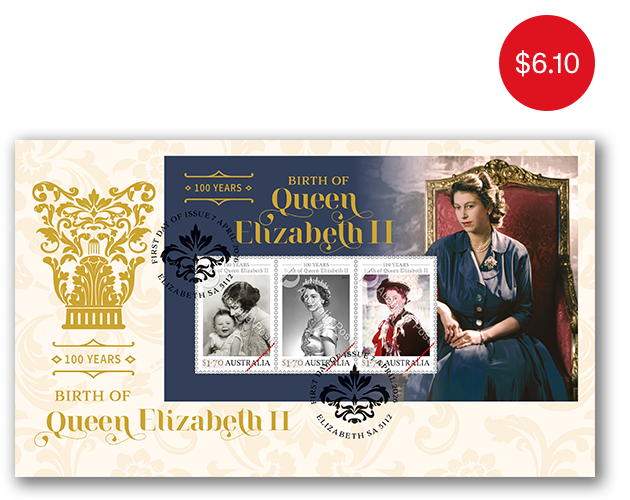
First Day Cover
-
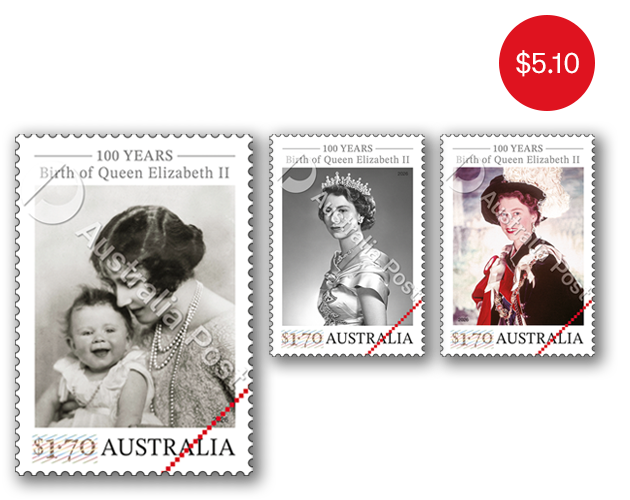
Stamps