
11 November 2015 | 3 mins

Postmarks are just as fascinating and collectable as stamps, and they can add significant historical and sentimental value to your collection. Here’s everything you need to know about them, including how to get them.
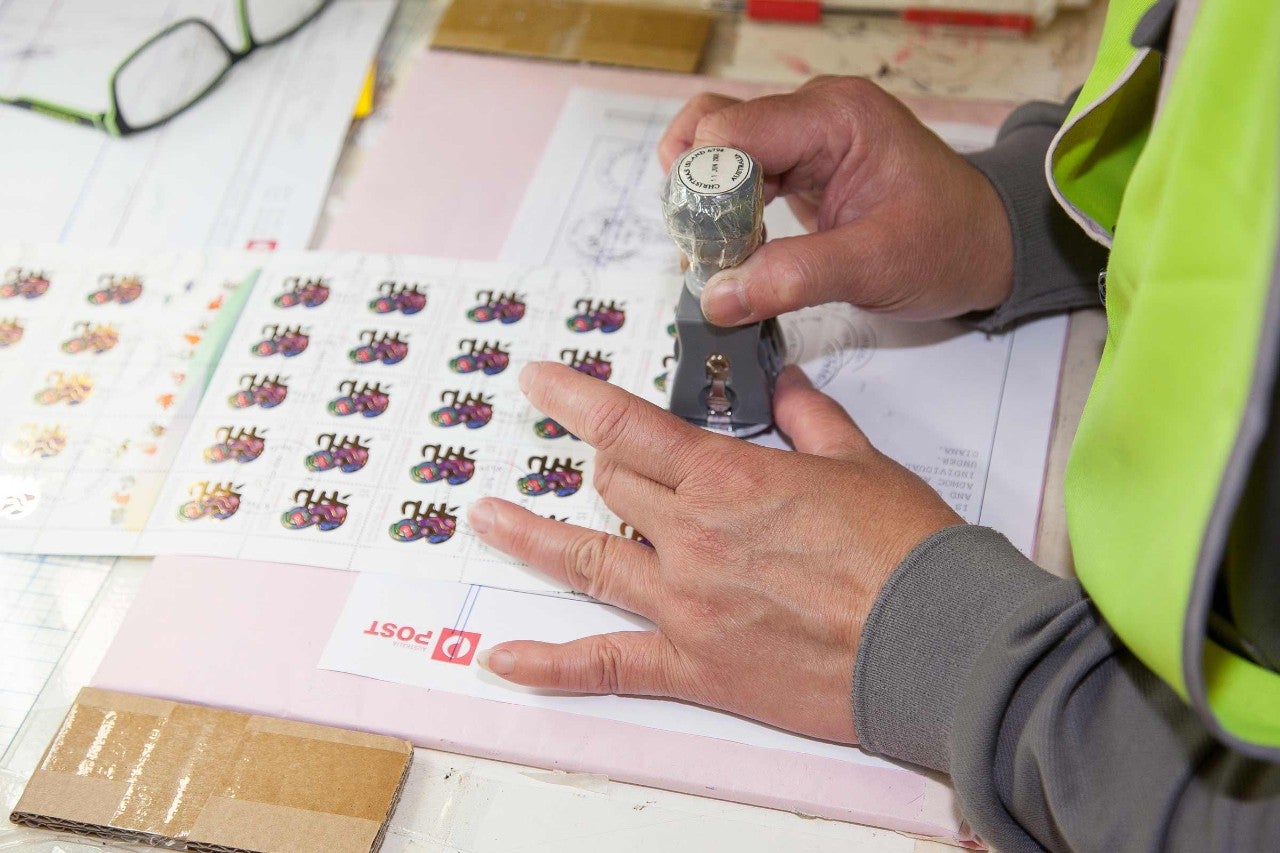
Postmarks are unique imprints from rubber stamps pressed onto mail by postal workers. They record when and where an item of mail enters the postal system and indicate that a stamp has been used, preventing it from being reused. You’ll typically see a black-inked marking on your envelope on or near the postage stamp.
Postmarks add something special to stamp collections—particularly the ‘first day of issue’ mark, which shows when a stamp was first released. Many collectors enjoy pairing a new stamp with its matching postmark to make it more unique.
Only authorised Australia Post staff can apply postmarks, so visit your local Post Office. Make sure you request the right kind of postmark, for example, a national postmark for a first day cover, or a commemorative postmark for a special occasion stamp.
'First day issue' postmarks cannot be applied before the date of issue. For collectors, we offer a four-week grace period after the first date of issue to have a stamp postmarked. We understand that you may be coming from interstate or overseas and might not be able to present first day covers for postmarking on the exact day of issue.
Postmarks issued for stamp shows are generally available for a period of approximately six months.
National First Day of Issue postmarks are typically retained for up to twelve months.
Temporary postmarks are also generally available for around six months.
Permanent postmarks are supplied with a numbering bed that accommodates a 12‑year date range.
You can send your request to the below address –
Australia Post – Postmarking
Reply Paid 4000
Ferntree Gully VIC 3156
Please ensure your self-addressed return envelope has sufficient postage to avoid any delays.
To help us read your details clearly, we kindly recommend submitting requests in typed format if possible.
If you’d like to create an official postmark to celebrate a local event or special milestone, send a written request to the Philatelic Manager, and we’ll respond with a guide to help through the steps.
The Manager
Australia Post - Philatelic
Reply Paid 4000
Ferntree Gully VIC 3156
You can learn more about the why and how of postage cancellation or view our existing postmarks. Once you have a new stamp you’d like postmarked, you can visit your local Post Office and experience it for yourself.
This content was produced at the time of publication and will not be updated.
11 November 2015 | 3 mins
07 December 2015 | 8 mins

30 May 2016

18 September 2025 | 13 mins